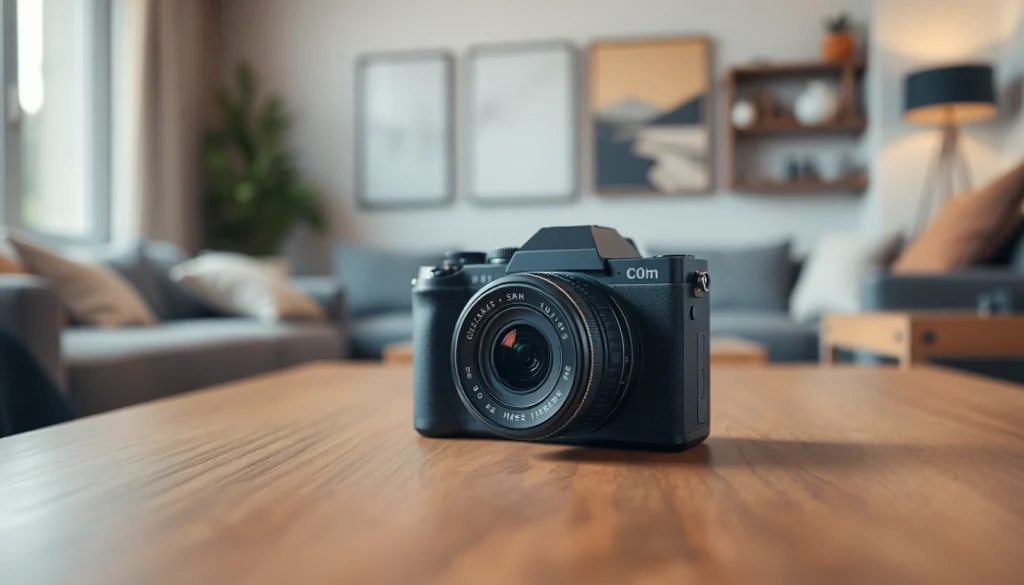
Understanding Caméra Miniature Types
1. Wired vs. Wireless Options
When selecting a caméra miniature, one of the primary considerations is whether to go for a wired or wireless model. Wired cameras generally offer stable connections and uninterrupted data streaming, making them ideal for stationary setups where high video quality is paramount. However, installation can be a hassle, requiring careful routing of cables and sometimes professional assistance.
On the other hand, wireless mini cameras provide unparalleled flexibility and ease of installation. They can be placed in various locations without being tethered to power outlets, making them perfect for dynamic setups. However, users should be aware of potential connectivity issues due to Wi-Fi interference and limited battery life on some models. Both options have their strengths and weaknesses, and the choice will largely depend on the intended use and environment.
2. Indoor vs. Outdoor Applications
Determining where the camera will be used is crucial in the decision-making process. Indoor cameras typically have lower IP ratings, focusing more on aesthetics and less on weatherproof features. They may come equipped with night vision capabilities and a range of accessories tailored for security or monitoring. These features are ideal for settings like homes and offices.
Conversely, outdoor miniature cameras are built to withstand adverse weather conditions. They often possess higher durability ratings, are equipped with night vision and may have solar power options. Such features are mandatory for applications in outdoor security, making them suitable for monitoring areas like gardens, perimeters, and parking lots. Understanding the environmental demands of each application is essential for effective utilization.
3. Specialized Features: Night Vision and More
Modern miniature cameras come fitted with an array of specialized features designed to enhance functionality. Night vision is one of the most sought-after qualities, allowing for effective surveillance in low-light conditions. Cameras equipped with infrared (IR) technology are particularly beneficial for monitoring dark areas securely.
Other specialized features include motion detection, bidirectional audio, and cloud storage options. Motion detection alerts users about activity in surveillance zones, enhancing awareness and security. Bidirectional audio enables real-time communication through the camera, useful for monitoring interiors such as nurseries or pet areas. Cloud storage allows for saving footage remotely, freeing up local storage and providing peace of mind knowing that recordings are secure even if the camera is tampered with.
Key Benefits of Using a Caméra Miniature
1. Compact Design for Easy Placement
The compact nature of miniature cameras is one of their standout features. Their small size allows for discrete installation, making them inconspicuous without sacrificing functionality. Whether placed on a shelf, mounted on a wall, or hidden in a living space, their design enables easy integration into a variety of environments without standing out.
This discreet approach not only serves aesthetic purposes but also enhances security, as potential intruders are less likely to spot them. Additionally, their small size makes them portable, allowing users to carry them along for travel or temporary installations without hassle.
2. Versatility in Use Cases
Miniature cameras are incredibly versatile, offering solutions across personal, professional, and security contexts. They can be utilized for a myriad of purposes: from home security and monitoring pets to documenting travel adventures and even creating engaging social media content.
In the realm of personal use, many people employ mini cameras for capturing spontaneous moments like family gatherings or vacations. Their ease of use and storage options cater to individuals seeking an immediate and enjoyable recording experience. Meanwhile, professionals might leverage these small devices for surveillance and workplace monitoring purposes, helping to ensure safety and accountability.
3. Enhanced Security and Surveillance
As concerns over security grow, the importance of having dependable surveillance solutions becomes paramount. Miniature cameras make it easier than ever to monitor activities around the home or workplace. Many models come equipped with high-definition video quality, enabling detailed footage that can be critical during investigations.
Furthermore, video recordings not only serve as documentation but can significantly affect the outcome of security-related incidents, providing evidence when necessary. The ability to monitor footage in real-time via smartphones or computers adds a layer of convenience and responsiveness, allowing users to take necessary actions swiftly if suspicious activities arise.
Factors to Consider When Buying a Caméra Miniature
1. Resolution and Video Quality
When investing in a mini camera, video quality should be at the forefront of your considerations. Resolution is a key metric, impacting the clarity and detail of the footage captured. Models are available with standard HD resolutions (720p), while others offer full HD (1080p) and even higher options like 4K for those needing superior clarity.
High-resolution video quality is essential for various applications, as it not only provides a detailed view but also aids in recognizing faces or license plates, should the need arise. For those in search of high-quality footage, comparing the resolution options among different brands can provide clear insights into the best choice.
2. Battery Life and Storage Options
Battery life is a significant factor in portable mini cameras. Some models offer rechargeable batteries with a lifespan ranging from several hours to days, which is crucial for continuous surveillance or remote monitoring. Others may include options for external power supplies, providing extensive usage without the need to frequently recharge.
Storage options also differ widely between models. Many mini cameras utilize microSD cards for local storage. Others offer cloud storage services, enabling users to store footage offsite securely. Users should assess their storage needs carefully, taking into account how often they wish to access footage and the importance of retaining recorded video.
3. Price Points and Brand Comparison
As with any technological equipment, price can vary substantially among different brands and models in the miniature camera space. Generally, higher-priced models offer more advanced features and better performance. Therefore, comparing options from various brands can provide insight into which cameras provide the best value for the desired features.
Considering popular brands can be a useful step, as established names often provide user support, warranty deals, and better quality control. Reading reviews and buyer feedback can serve to clarify which models consistently meet user expectations and stand out in terms of performance and reliability.
Installation Tips for Your Caméra Miniature
1. Selecting the Right Location
The effectiveness of a miniature camera is heavily dependent on its placement. Prior to installation, assessing the area and determining the most strategic points for surveillance is critical. Locations offering vantage points to capture the intended field of view should be prioritized.
Consider areas with high foot traffic or potential security risks, and ensure that the camera’s positioning minimizes obstructions. Indoor cameras should ideally be located at a height where they cannot be easily tampered with, while outdoor cameras should be placed where they have clear lines of sight and are sheltered from harsh elements as much as possible.
2. Connecting and Setting Up the Device
Once the optimal location has been identified, connecting and configuring the camera comes next. For wired cameras, this often involves mounting the camera securely and connecting power cables, while wireless models may require initial setup via a mobile application or web interface.
Following installation, ensure the camera is functioning correctly by verifying the live feed. Some cameras enable user customization of settings, like motion detection alerts, recording schedules, and video quality settings. This customization helps optimize performance tailored to user preferences.
3. Optimizing Camera Settings for Best Performance
To ensure that your miniature camera operates at its best, spend some time optimizing the settings based on specific usage scenarios. For instance, adjust the sensitivity of motion detection settings to eliminate false alerts from pets or passing cars.
Night vision settings should also be appropriately configured; some cameras allow users to toggle between infrared modes and color modes depending on the light present. Regular updates to camera firmware can enhance overall performance and introduce new features, so checking for updates frequently is highly advisable.
Common Challenges and Solutions with Caméra Miniature
1. Addressing Connectivity Issues
Wireless connection and networking troubles can be daunting challenges that users of miniature cameras frequently confront. Signal interference, distance from routers, and network congestion can all hinder functionality. To address these issues, ensure that the camera is within range of the Wi-Fi router.
In instances of persistent connectivity issues, consider investing in a range extender. Alternatively, switching to a wired setup can eliminate the risk of connectivity interruptions altogether.
2. Improving Video Quality
Sometimes, users may find the video quality underwhelming, leading to frustration. A few steps can rectify this. First, check that the camera is set to the highest available resolution and that lighting conditions are optimal for capturing clear footage.
For users experiencing poor video quality at night, confirming whether the night vision settings are functioning efficiently can make a notable difference. With many cameras, enhancements in firmware updates can offer improvements in performance, so staying current with these updates can yield better results.
3. Ensuring Privacy and Ethical Use
With great power comes great responsibility. While surveillance helps ensure security, ethical considerations regarding privacy need to be observed. Always maintain transparency about the camera’s use, informing others when they are being recorded. This not only builds trust but also ensures compliance with privacy laws.
Users should research local regulations before installing miniature cameras, especially in settings where guests or employees may not be aware of surveillance. Adhering to laws not only protects users from legal consequences but also fosters an environment of respect.